





Left Header Left Header
468x60 Banner Slot
2006 Great Planers Salmon Results
By Jack Long (Skip Jack) | 07/13/07
Last year's statistics compiled and reviewed. Good luck hookin' them chinooks!
Compiled by Jack Long (Skip Jack), Great Planers Trout and Salmon Club Newsletter

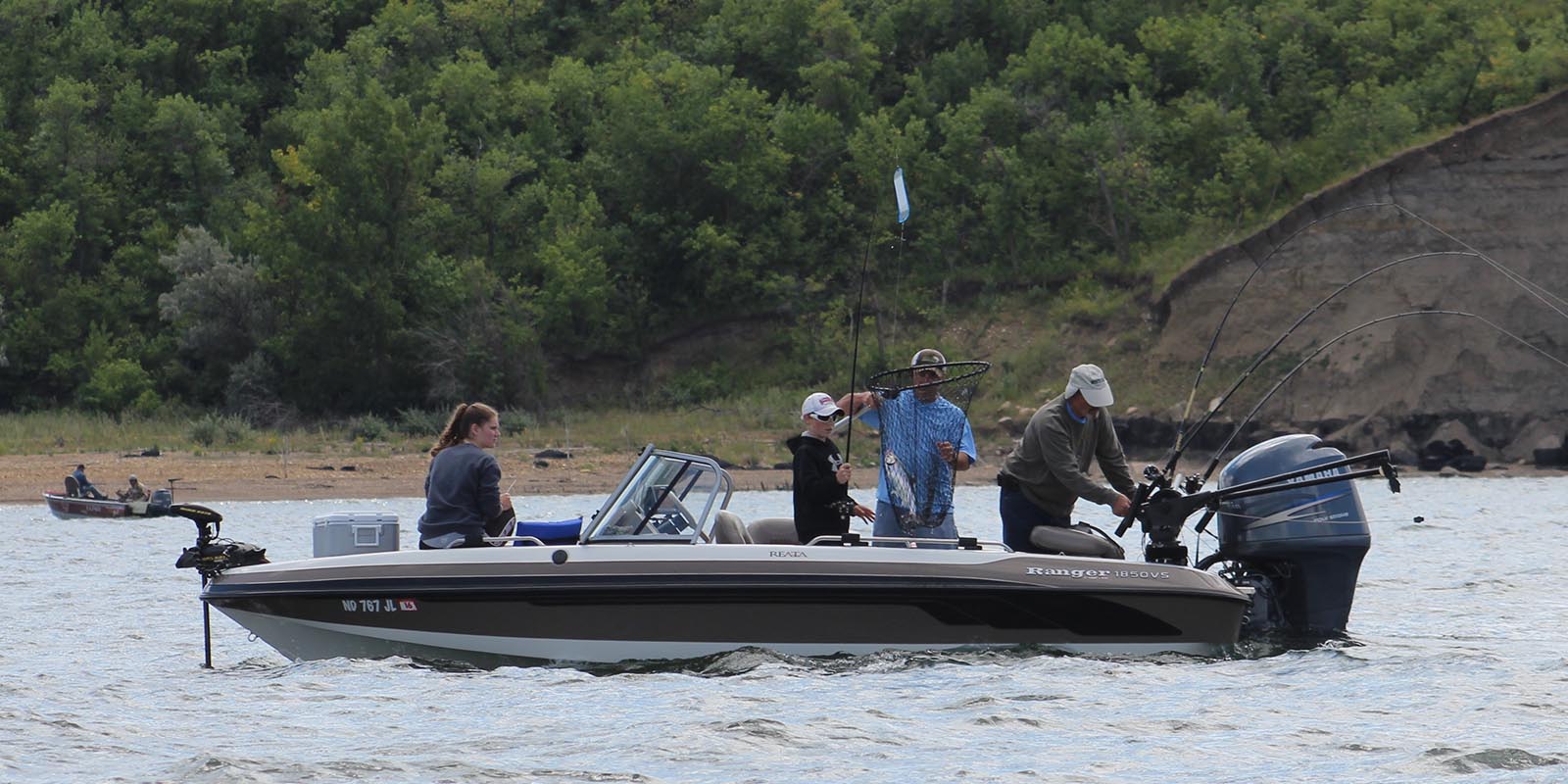
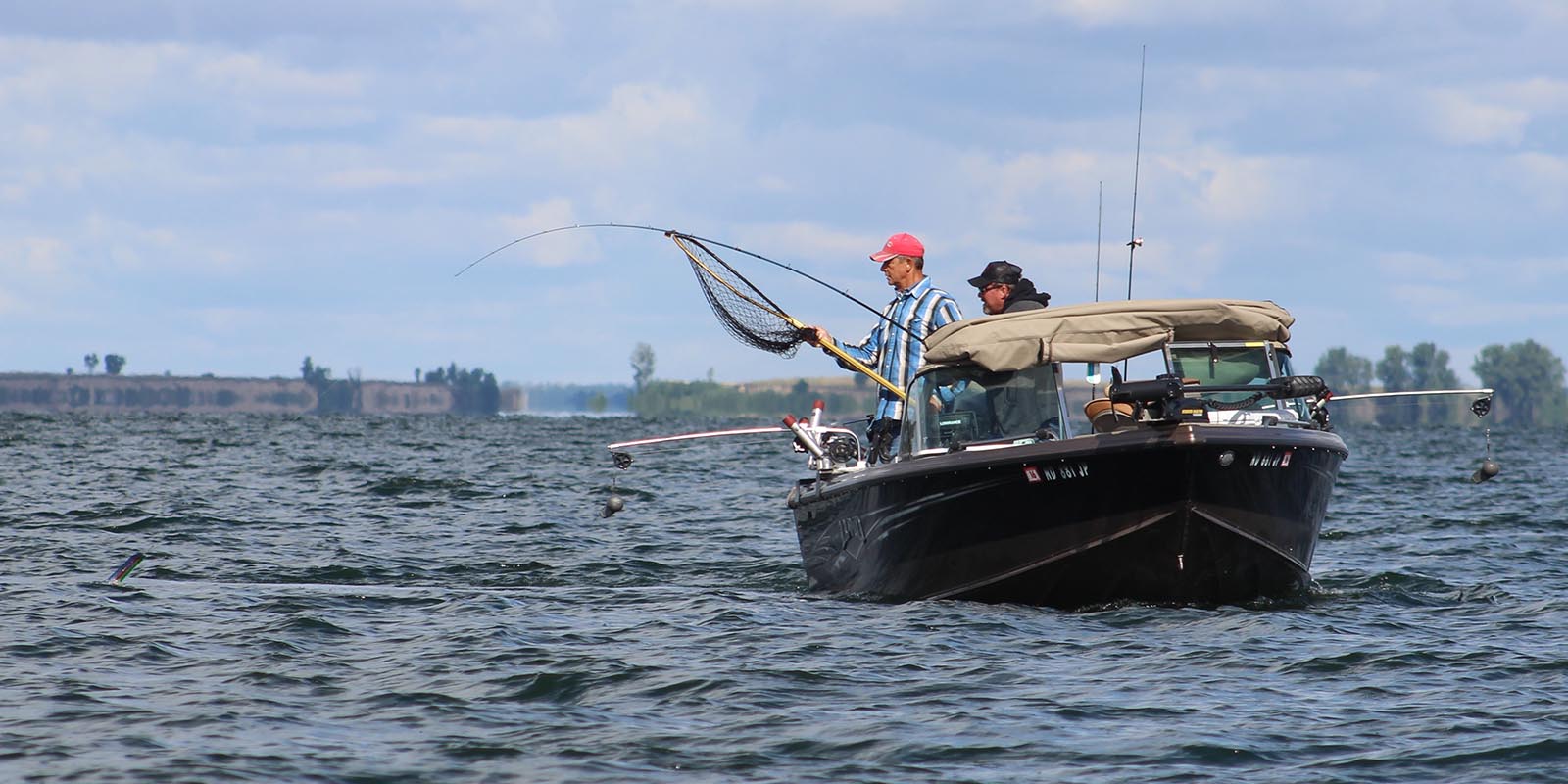
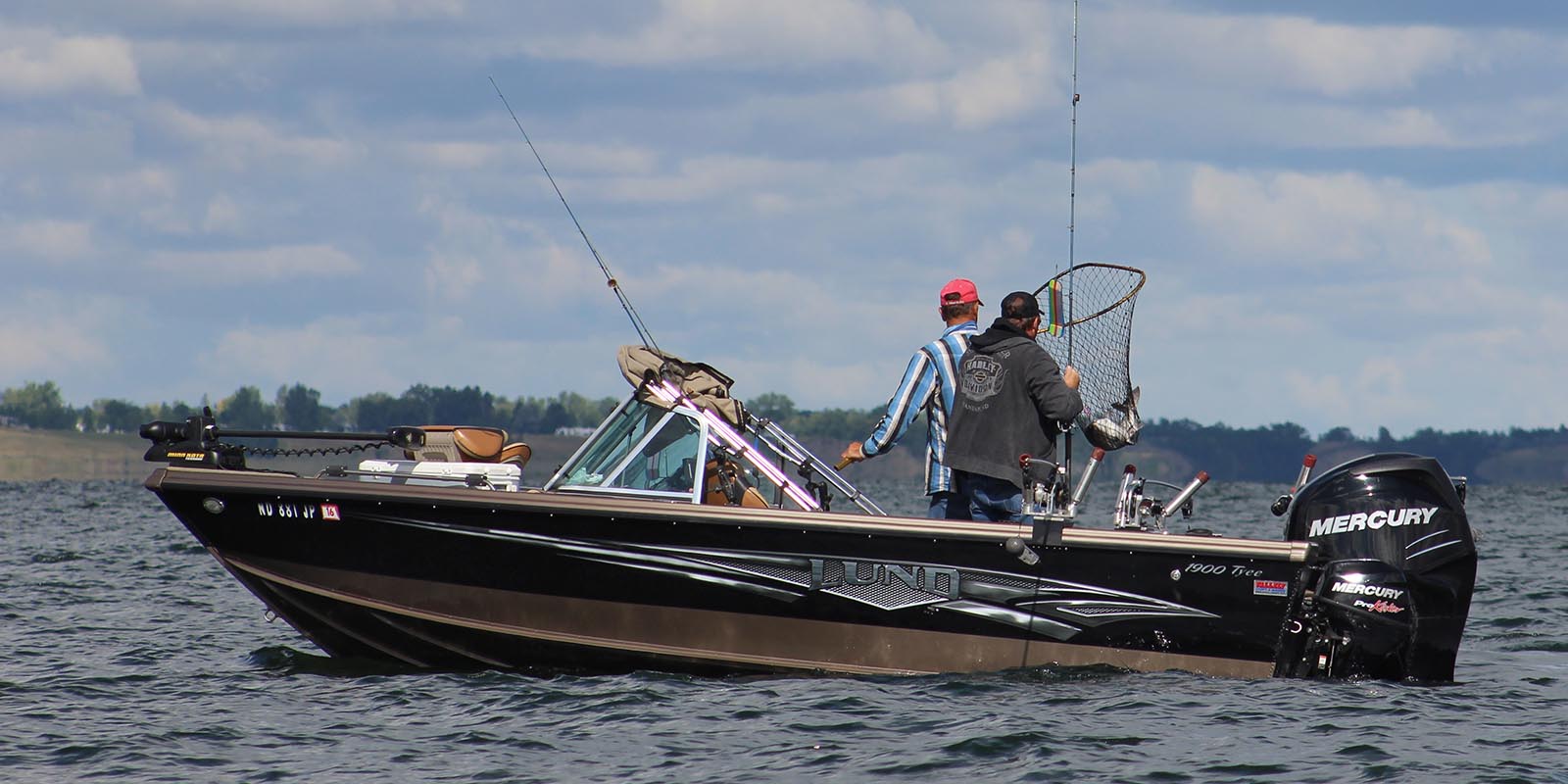
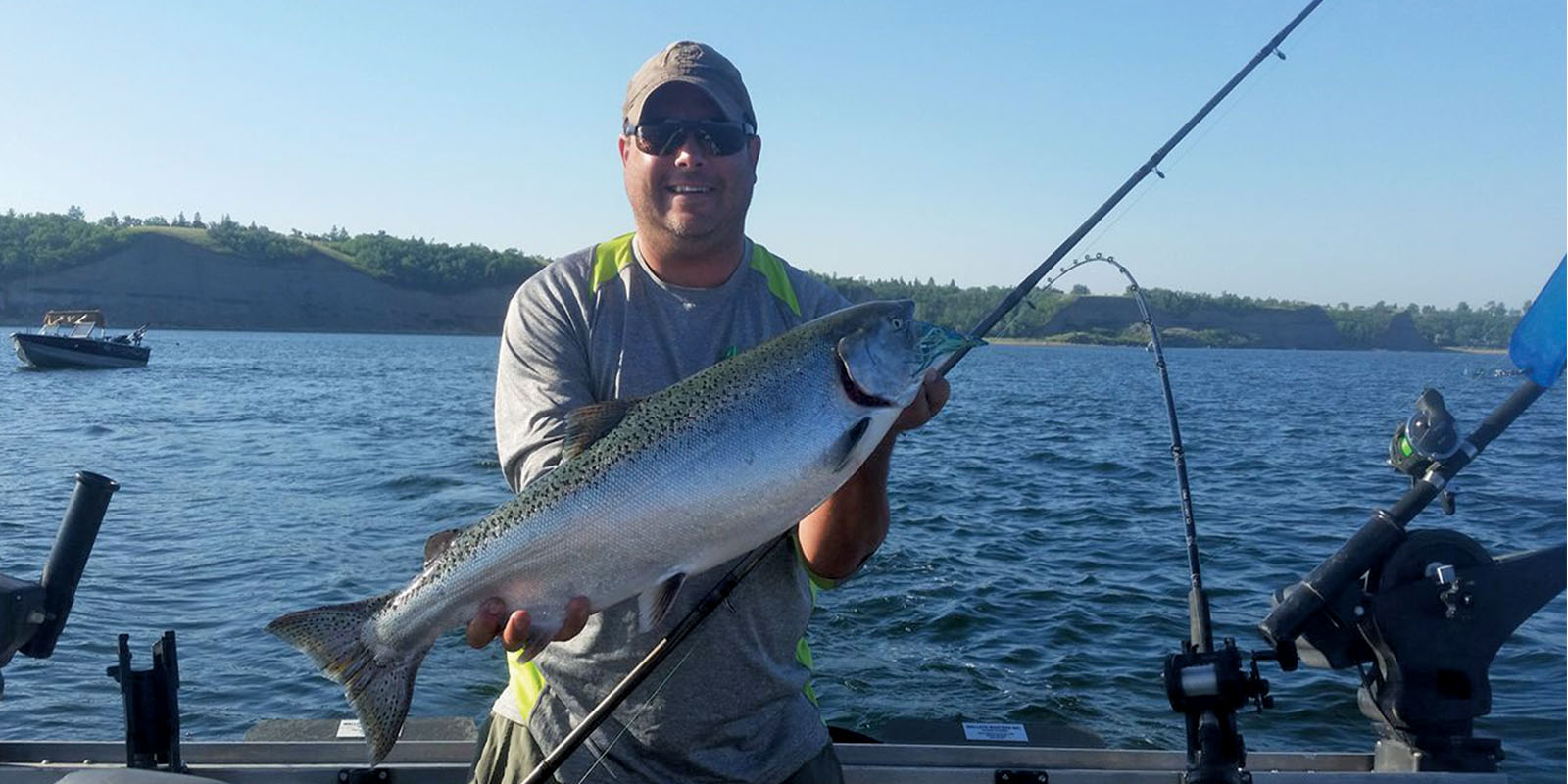
As mentioned last year, the Salmon Report Card Program changed. Those involved in the program for a number os years decided to step away from the Program and provide other opportunities for the Program to continue under. The Executive Board of the Great Planers decided to pursue that opportunity but on a somewhat scaled back level. They felt if an adequate number of report cards or coupons were submitted, it would be possible to put together a summary report. So they decided to advertise the program through the Great Planers newslettter and provide a coupon in the newsletter anglers could fill out and return. In 2006, 194 coupons were submitted, which was below the seventeen-year average of 477, but that was to be expected as the number and size of salmon caught were also down from previous years. Because 179 or 92% of the coupons were submitted in the months, August and September, I decided to depart from my normal monthly summaries of the past and provide only a year-end summary.
Time of day for prime fish catching is always important to any angler As in the past, the time between 9am and noon produced the greatest number of salmon, 47% or 91 fish. I am not sure if more people only fish during the cooler comfortable hours of the day or maybe the boat traffic of the morning disperses the fish and makes catching more difficult in the afternoon but the odds continue to favor the morning bite. The hours of noon to 3pm produced 48 or 25% of the fish and 6am to 9am came in third at 16% or 31 salmon. The remainder of the day only produced 23 coupons.
OK, now that I know when to fish, where do I fish? In 2006, the anglers catching salmon fished north from Government Bay to Deadman’s Bay. 160 or 82% of the salmon were netted in that area. The Face of the Dam came in a distant second with 14 salmon or 7%.
The average lure depth was 64.7 feet and anglers were running those lures in an average of 91.9 feet of water.
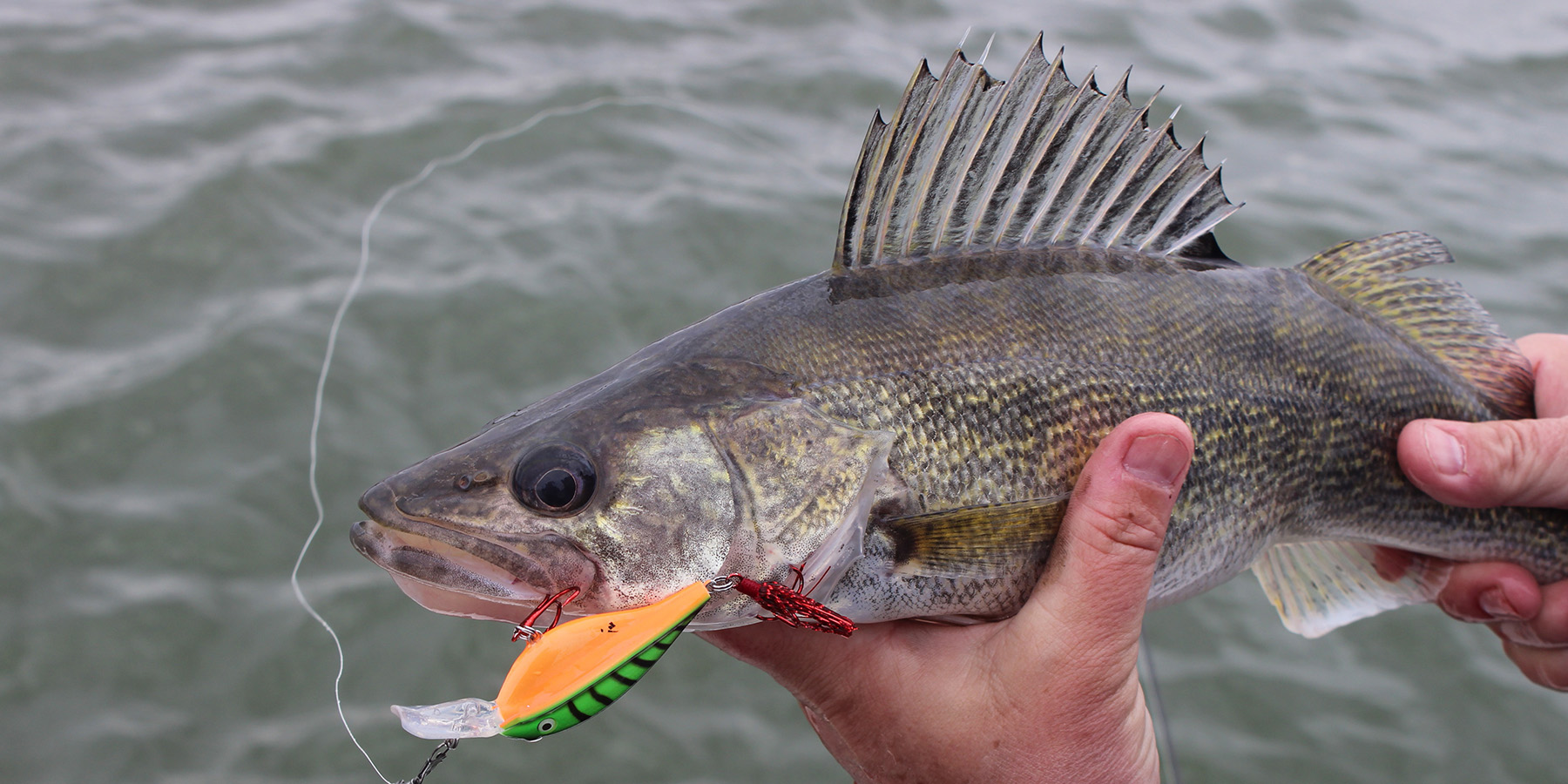
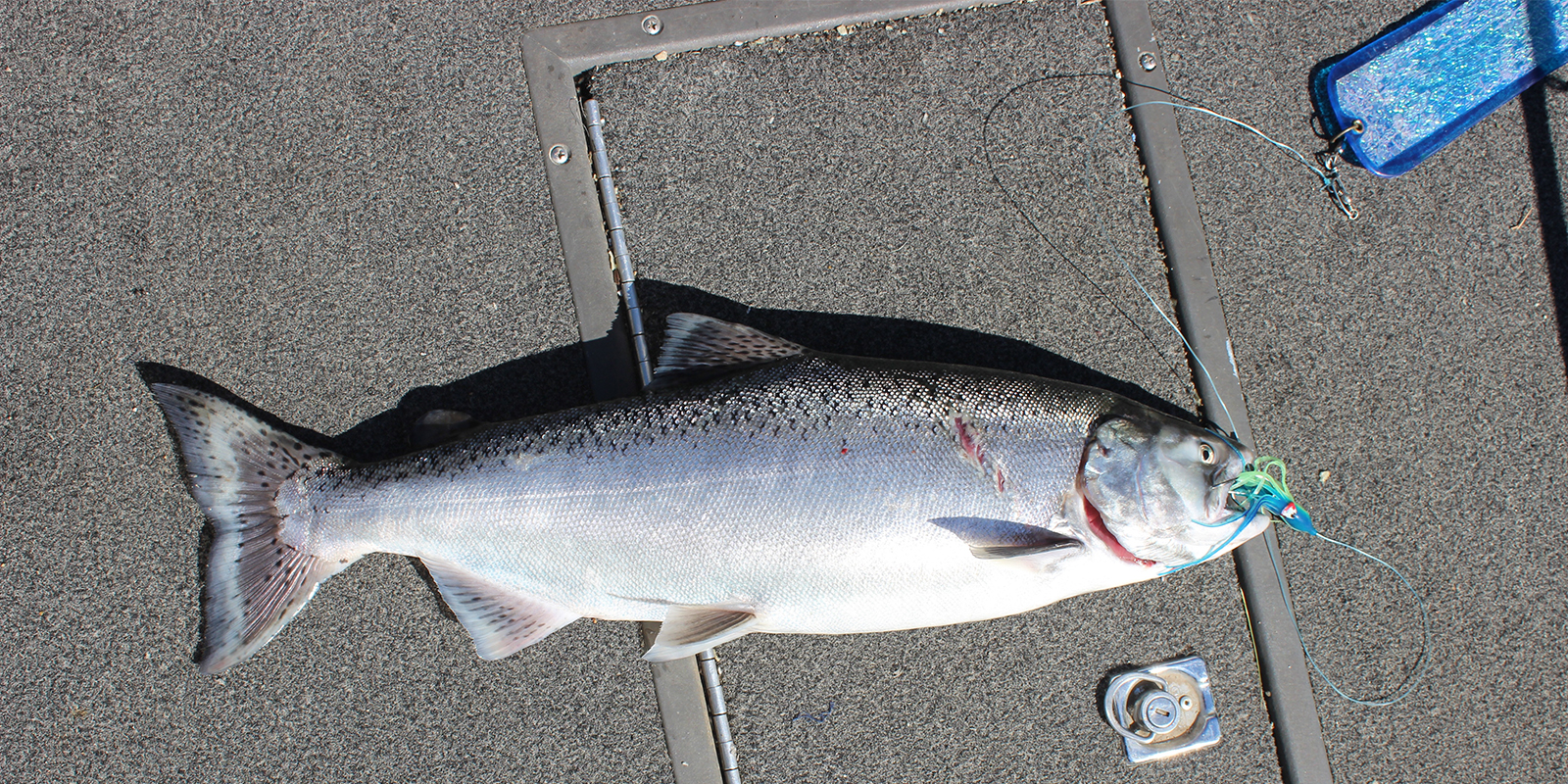
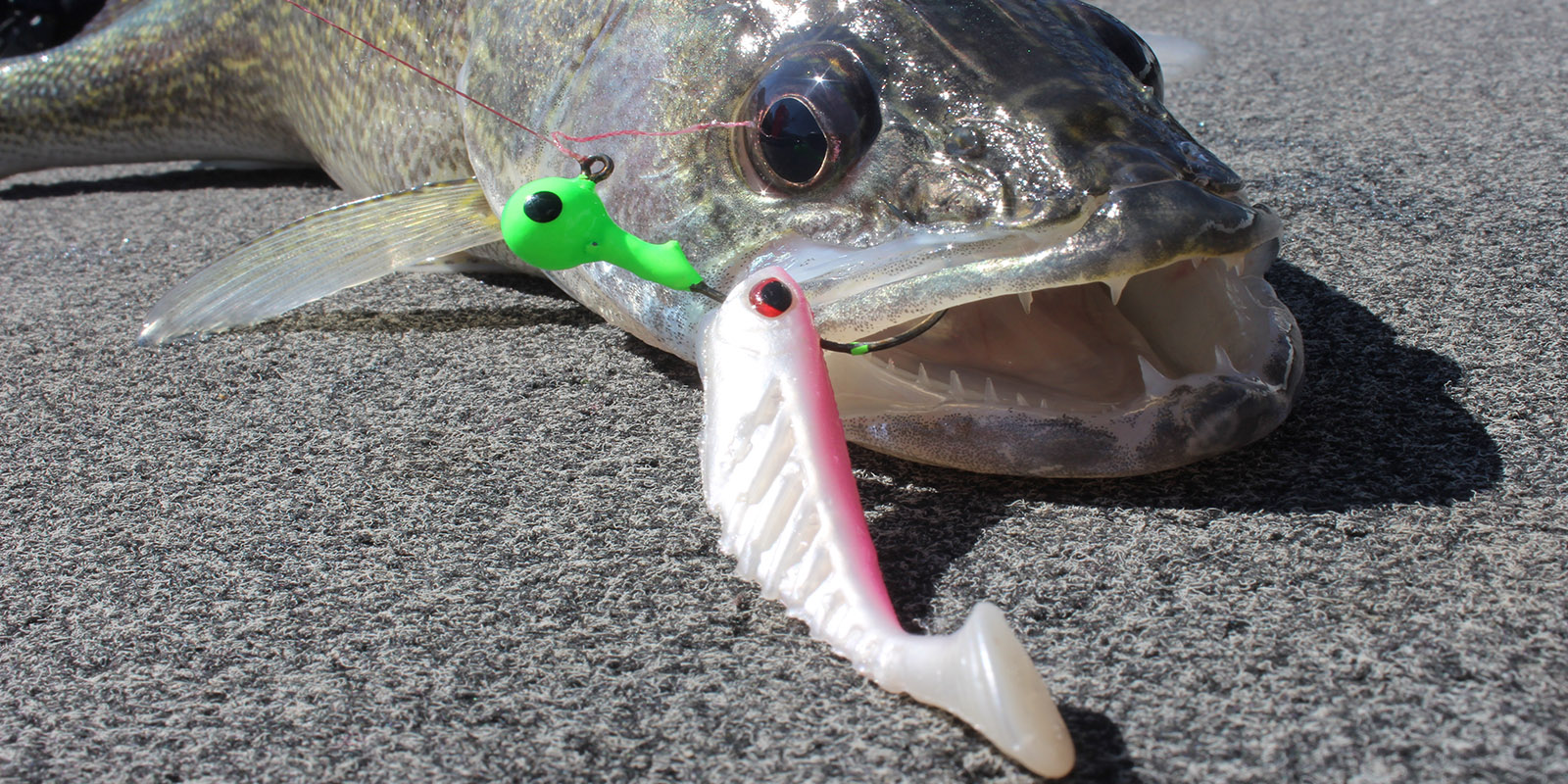
The squish (needlefish) was far and away the best tackle producer and caught 61% or 119 salmon. The squid and cutbait came in a distant second and third at 29 fish (15%) and 23 fish (12%). The other presentations of crankbaits, spoons, flies and livebait took a total of 20 salmon between them.
Blue, pink, green and white, in that order, were the four most productive tackle colors. Blue was the choice of 53% or 102 salmon, pink was at 32 fish or 16%, while green caught 26 or 13% and white at 17 or 8%.
163 of the salmon were caught on a set-up that included a flasher. The flasher color matched that of the tackle color with blue being the front runner at 119 or 84% and the white flasher was a very distant second with 20 or 12%.
The average salmon in 2006 weighed 3.7 pounds.
Just like the past years, when you compare data going back to 1989 for the months of August and September, the prime salmon fishing months for many anglers, it is discouraging to look at last year’s numbers. In 1989 the average size fish reported for the year was 6.0 pounds. 1990 saw this dip slightly to 5.8 pounds and then it spiraled downward to an all-time low of 4.3 pounds in 1991, the same year we saw Lake Sakakawae experience a record low of 1815.10 feet in May. For the next three years the salmon weight fluctuated between 4.4 and 4.6 pounds. This, in all likelihood, was the result of the massive smelt die-off the lake experienced due to the loss of cold water habitat.
1995 saw a reversal of the trend and because we saw a refilling of the resevoir and a return of the smelt, our average weight made almost a one pound increase in one year from 4.4 to 5.3 pounds. The good old days returned and the annual weights continued to increase and finally peaked at a 10.0 pound average in the year 2000. But unfortunately as we have seen a return of diminishing water levels on Sakakawea, the average catch weights are also diminishing. From 2000 to 2001 we saw a drop of more than two pounds and from 2001 to 2002 another drop of a pound and a half and from 2002 to 2003 a one pound drop. The 2000 peak of 10.0 pounds shrunk to 4.7 pounds in 2005 and 3.7 pounds in 2006. That’s a reduction of almost 60% in just six years. Finally the most revealing indicator of the effect of low lake levels as they relate to salmon developement is the size of the fish caught. In year 2000, 78% of the salmon caught weighed eight or more pounds. As the lake level dropped so did the salmon size. 2001 saw only 53% of the salmon weighing eight or more pounds. In 2002 it was 21% and that percentage dropped from 78% in 2000 to just 10% in 2003 and a meager 3% in 2004. Years 2005 and 2006 did not have a repor coupon with a salmon more than eight pounds. So in 2000, 3 out of every 4 salmon you caught weighed at least eight pounds - and for the last two years you couldn’t catch an eight-pound salmon.
Before signing off, I would like to leave you with a couple of thoughts. If it sounds familiar, you ar right, it’s the same thing I preached year after year. I would encourage all anglers to give early spring salmon fishing a try. There are three productive methods that you can use to pick up salmon at this time of year. You can give planer boards a try, use your downriggers or throw out long lines. All three or combinations of the three will work. For lures the obvious favorites are spoons and crankbaits. Since spoons don’t generally dive, run them off of the downriggers and run the cannonballs 5 to 7 feet down. Usually it is best to run all lures 50 to 125 feet behind the boat. Normally trolling the shoreline whether in a bay or out in the open lake, and staying in 15 to 45 feet of water will net you best results.
When running planer boards, get them 50 to 75 feet off the sides of the boat. Of course when running crankbaits you set your shallow running cranks on the shore side of the boat with your diving cranks on the deep water side of the boat. My experience has shown that the heavier spoons, not the fluttering type, work the best and cranks and spoons that are blue, green, chartreuse or silver have been my favorites. For crankbaits, the Rebel series has done well for me over the years with the Rapala’s being another good choice. A good area to troll is anywhere from Douglas Bay east to Steinke’s Bay.
Depending on the wind, some days you may want to tuck into Douglas Bay, Garrison Bay or Steinke’s Bay but on the calmer days try to cover as much shoreline as possible.
Just like with walleyes, if you pick up a salmon, turn right around and go back through the area. It seems that spring salmon tend to run in packs and because they are usually feeding on something when you come across them, they are reluctant to leave that general area. If you get into fish, you will have a blast. The salmon are near the surface so the fight is more intense. I have even gone to using my 6 to 8 foot walleye rods with baitcasting reels for added enjoyment. If you get on the water in May give early season salmon fishing a try. If you get into fish I know you won’t regret your decision.
For that second thought, we all wish we had more water and those 10 to 18 pound salmon, but we don’t so there is no use dwelling on it. Get out there and make the most of it, enjoy your times outdoors, watch for tagged salmon and turn the heads into the Game and Fish and finally fill out those coupons and continue sending them in.
Thanks, enjoy all that the summer of 2007 has to offer and as Lee always says “hook a chinook”.
468x60 Banner Slot
 
844x100 Banner Slot

Dakota
Country
Weather

ND By City:
Adams Ashley Beach Beulah Bismarck Bottineau Bowbells Bowman Breckenridge, MN Cando Carrington Cavalier Center Cooperstown Crookston, MN Crosby Devils Lake Dickinson East Grand Forks, MN Edgeley Elgin Fargo Finley Fort Yates Garrison Grafton Grand Forks Gwinner Hallock Halstad Harvey Hazen Hettinger Jamestown Killdeer Lakota Langdon Leeds Linton Lisbon Maddock Mandan Marmarth Mayville McClusky Medora Minot Mohall Moorhead, MN Mott Napoleon New Rockford New Town Oakes Rolla Rugby Steele Towner Valley City Wahpeton Warren Williston Watford City

SD By City:
Aberdeen Alcester Alexandria Allen Alpena Arlington Armour Avon Belle Fourche Beresford Bison Bridgewater Britton Brookings Buffalo Burke Canistota Canton Castlewood Centerville Chamberlain Chancellor Clark Clear Lake Colony Corsica Custer Deadwood Delmont DeSmet Dupree Edgemont Elk Point Emery Eureka Faith Faulkton Flandreau Folsom Fort Pierre Fort Thompson Four Corners Freeman Gettysburg Gregory Harrisburg Hermosa Herreid Highmore Hill City Hot Springs Howard Hurley Huron Ipswitch Jefferson Kadoka Kimball Kyle Lake Andes Lake Preston Lead Lemmon Lennox Madison Marion Martin Marty McLaughlin Menno Milbank Miller Mission Mitchell Mobridge Montrose Mount Rushmore Murdo North Sioux City Onida Orange City Parker Parkston Philip Pierre Pine Ridge Plankinton Platte Ponca Presho Rapid City Redfield Salem Scotland Sioux Center Sioux Falls Sisseton Spearfish Springfield Stickney Sturgis Sundance Tabor Tea Timber Lake Tripp Tyndall Union Center Vermillion Viborg Wagner Wakefield Wall Watertown Webster White Lake White River Winner Wessington Springs Woonsocket Yankton